
English| EUR
Suggested for you
More currencies
Choose a language
Planning an excursion from the capital to the Japanese Alps requires understanding the regional geography. Knowing exactly how far is matsumoto from tokyo helps structure a realistic itinerary between the metropolis and the historic fortress.
Quick answer
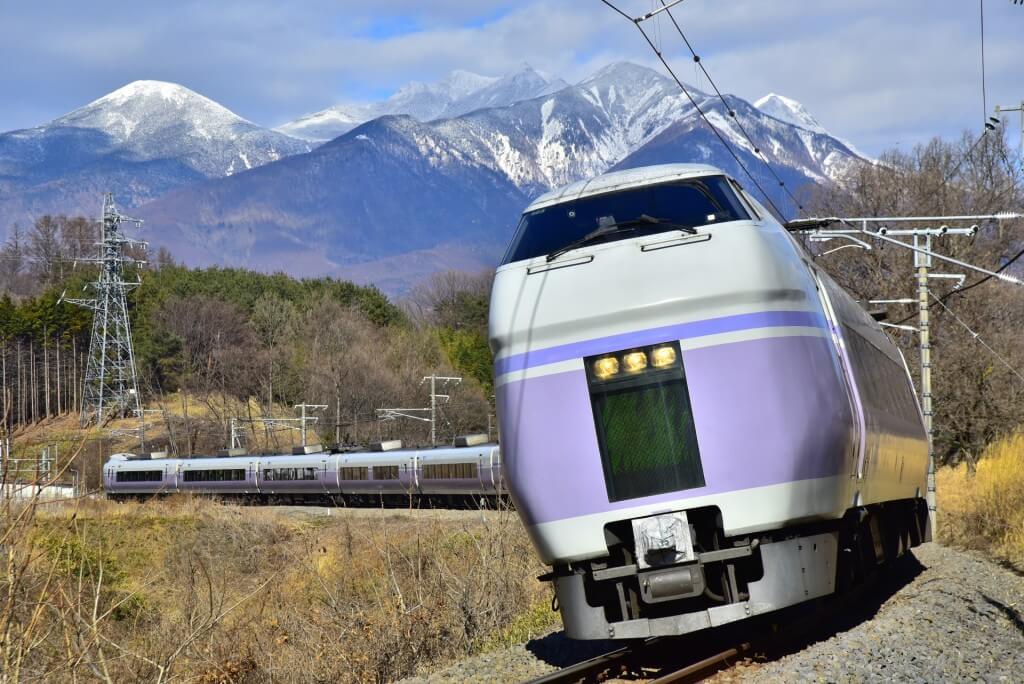
The straight-line distance is approximately 170 kilometers (105 miles), but the practical journey covers roughly 220 kilometers (136 miles) by rail or road. A direct journey on the Limited Express Azusa from Shinjuku Station takes about two and a half hours, making the historic fortress highly accessible from the capital.
Matsumoto Castle is separated from the dense sprawl of the capital by the towering peaks of the Japanese Alps, a geographical barrier that historically shielded the region from coastal conflicts. For modern travelers planning an excursion, determining exactly how far is matsumoto from tokyo is the foundational step in building an itinerary. Geographically, the fortress sits about 170 kilometers northwest of the capital in Nagano Prefecture. However, this straight-line measurement belies the mountainous topography that defines the journey. The surrounding peaks, reaching over 3,000 meters in elevation, funnel all transit through specific valleys. Understanding this terrain is crucial, as it explains why travel times are relatively swift despite the imposing landscape, thanks to advanced railway engineering that cuts through the highlands. Bridging the gap between the modern metropolis and the preserved 16th-century fortress relies heavily on the Chuo Main Line. Navigating the distance from Tokyo to Matsumoto involves traversing changing elevations that transition from urban grids to forested valleys. As the train ascends into the mountainous interior, passengers witness a dramatic shift in landscape, leaving behind the coastal plains for the crisp air of the alpine basin. Asking how far is matsumoto from tokyo is not merely a question of mileage; it is about tracing historic trade paths where merchants once transported salt and timber over grueling multi-day treks. Today, the journey compresses centuries of travel history into a comfortable morning ride. The route terminates just a short distance from the Marunouchi district, placing visitors within easy reach of the striking black facade of the so-called Crow Castle. Structuring a visit requires factoring in both the regional transit time and the physical demands of the site itself. Once the primary journey is complete, travelers must navigate the grounds and the steep wooden architecture of the keep. Reaching the upper floors involves climbing 140 historic steps, an effort best undertaken when the mind and body are fresh after the scenic rail approach. Because the alpine weather can contrast sharply with the coastal climate, preparing for the transition is just as important as knowing the physical distance. Consulting a dedicated how far is matsumoto from tokyo guide ensures that visitors allocate adequate time for the transit, allowing for a steady pace upon arrival. Ultimately, understanding this spatial relationship underscores the remarkable accessibility of this national treasure, effortlessly linking a modern megalopolis with a pristine artifact of the samurai era.
“The journey compresses centuries of travel history into a comfortable morning ride, effortlessly linking a modern megalopolis with a pristine artifact of the samurai era.”
Matsumoto Castle is located in Nagano Prefecture, approximately 225 kilometers from central Tokyo. The most efficient and direct way to reach the city is via the JR Azusa Limited Express train departing from Shinjuku Station.
JR Azusa Limited Express from Shinjuku Station to Matsumoto Station
Highway Bus from Shinjuku Expressway Bus Terminal to Matsumoto Bus Terminal
Chuo Expressway via Takaido IC to Matsumoto IC
Upon arriving at Matsumoto Station, the castle is accessible via a 20-minute walk or a short taxi ride. Visitors planning their trip should note that arriving between 08:30 and 10:30 helps avoid long queues for the steep staircases inside the castle keep.
The best arrival window is 08:30–10:30 to avoid long queues for the steep staircases inside the castle keep. Planning your departure from Tokyo to align with this morning slot is essential for a smoother experience.
Mild, 10°C to 20°C. Popular for cherry blossoms.
Expect peak traffic; arrive exactly at 08:30.
Cool, 8°C to 18°C. Stable, clear autumn weather.
Ideal conditions for castle grounds photography.
—
Quieter atmosphere compared to weekends or holidays.
Cold, -5°C to 7°C. Potential for snow.
Minimal wait times for the castle interior.
Verdict: Tuesday to Thursday, arriving at the 08:30 opening time during April or October, offers the optimal balance of accessibility and weather.
Matsumoto Castle maintains consistent daily operating hours throughout the year to accommodate visitors. The facility is open seven days a week.
Prepare for the historical interior climb and local conditions before departing for Nagano.
Everything you need to know about how far is matsumoto from tokyo
The distance between Tokyo and Matsumoto is approximately 220 kilometers. Most travelers find the train to be the most efficient link between these two points.
Yes, many visitors choose to explore the city and its historic landmarks as a convenient day trip. By starting early, you can easily see the main site and return to the capital by evening.
The Limited Express Azusa train from Shinjuku Station is widely considered the most comfortable and direct transport method. It provides a scenic route through the mountains of Nagano Prefecture.
The journey typically takes between 2.5 and 3 hours depending on your specific train schedule. Planning your departure from Shinjuku allows for a smooth, direct connection to your destination.
While you cannot bypass the steep staircases inside the castle keep, arriving during the recommended window of 08:30–10:30 helps minimize wait times. Advanced planning is always suggested to ensure a smooth entry to this national treasure.
The Limited Express Azusa service is fully covered by the Japan Rail Pass and the JR East Pass. If you hold one of these passes, you may not need to purchase additional tickets for the rail portion of your travel.