
3 hr
Matsumoto Castle Tour & Hands-On Samurai Sword Experience
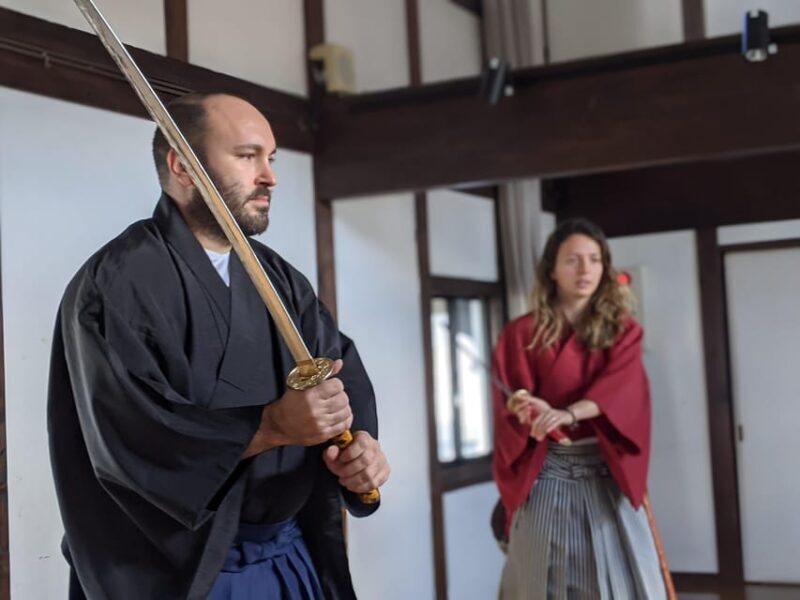
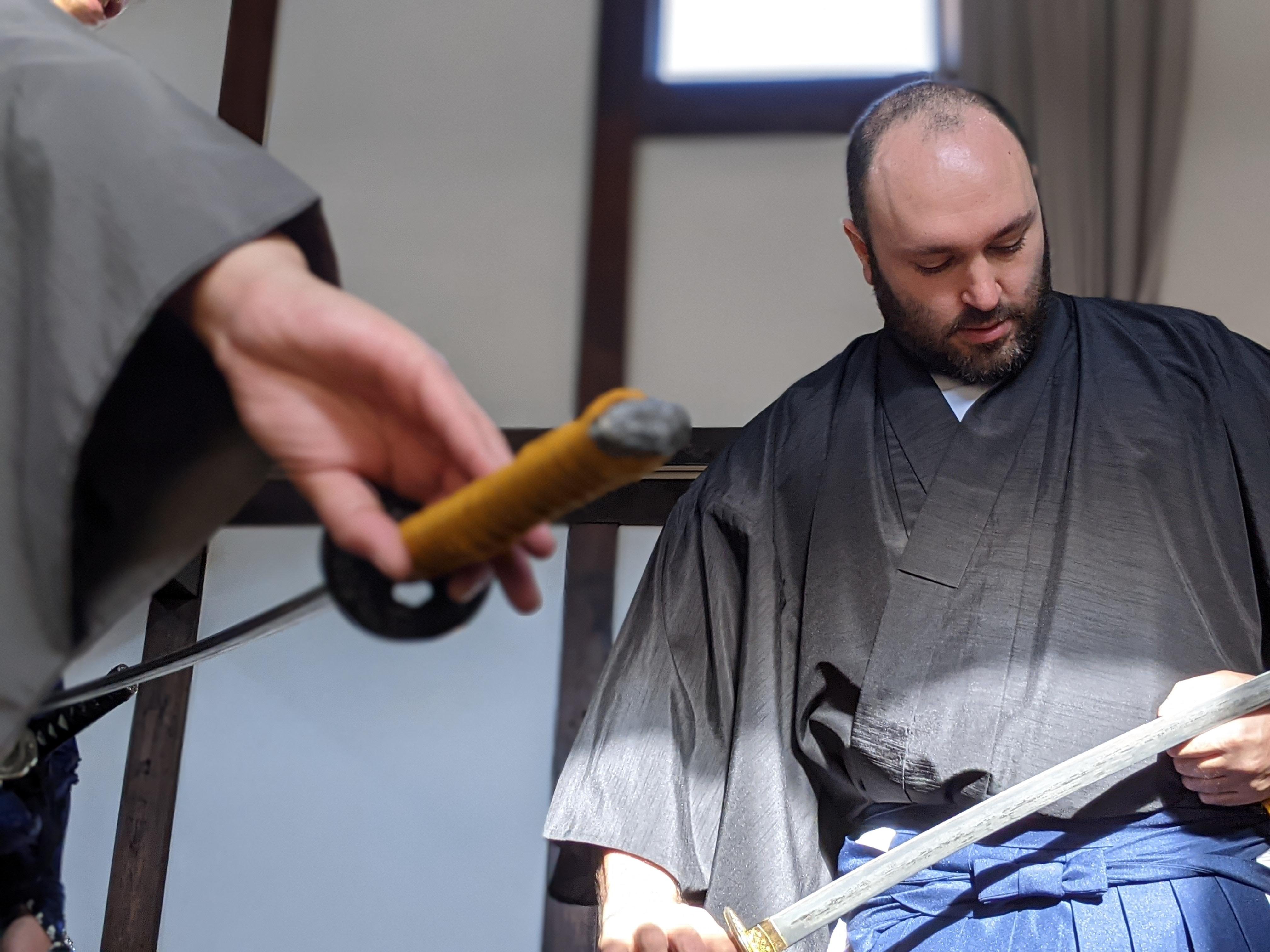
Explore a historic 16th-century Japanese fortress and learn traditional samurai combat techniques from a master.
Reserve
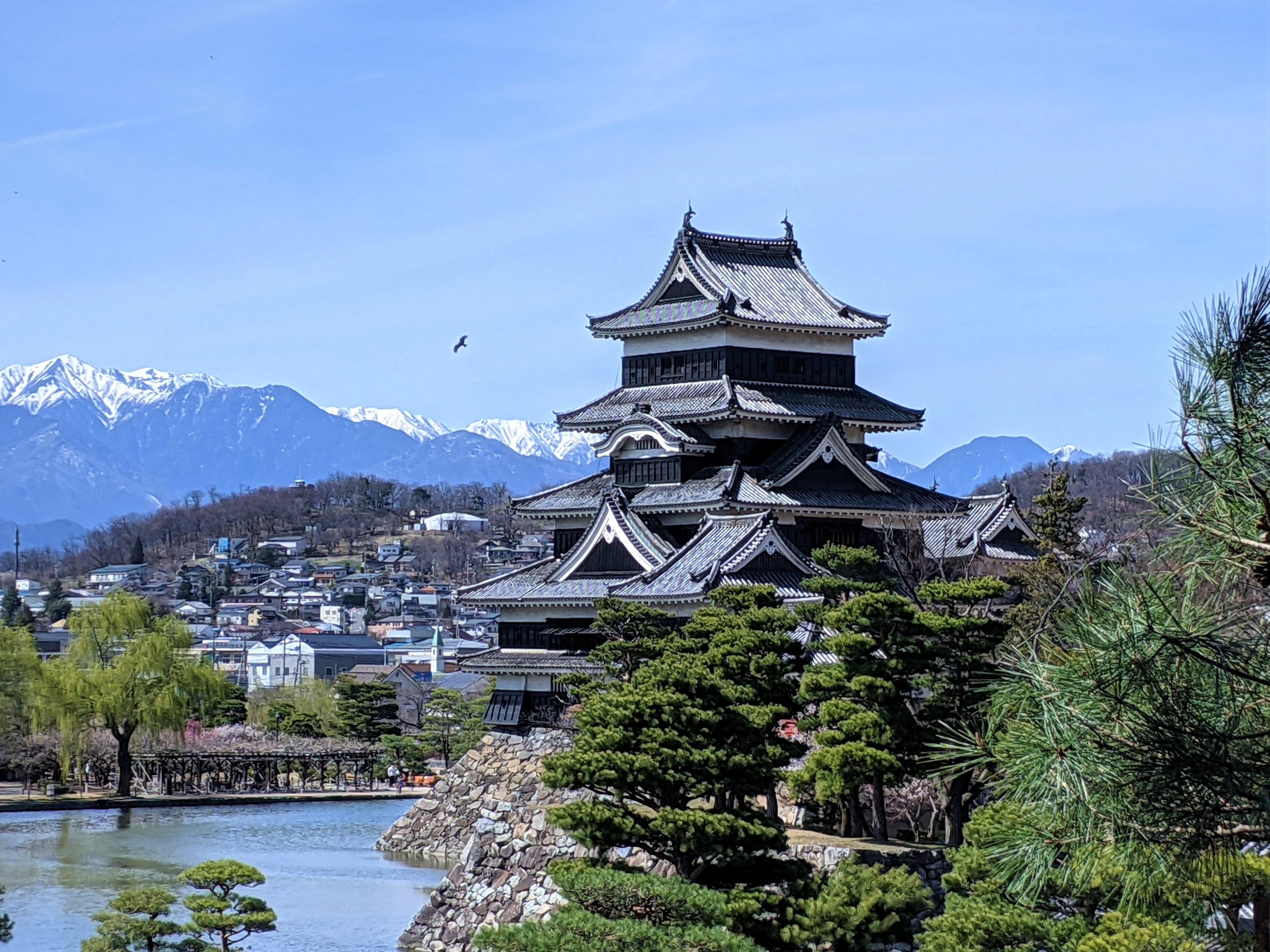
Five levels of black timber, centuries of martial discipline.
Hand-picked by our editors — only the best 5 experiences from 120 reviewed.
Verified partners for every tour, free cancellation where available, and instant confirmation on every booking.
3 hr
Explore a historic 16th-century Japanese fortress and learn traditional samurai combat techniques from a master.
Reserve
3 hr
Walk the historic paths of the samurai to Matsumoto Castle and explore the vibrant Nawate and Nakamachi merchant streets.
Reserve
3 hr
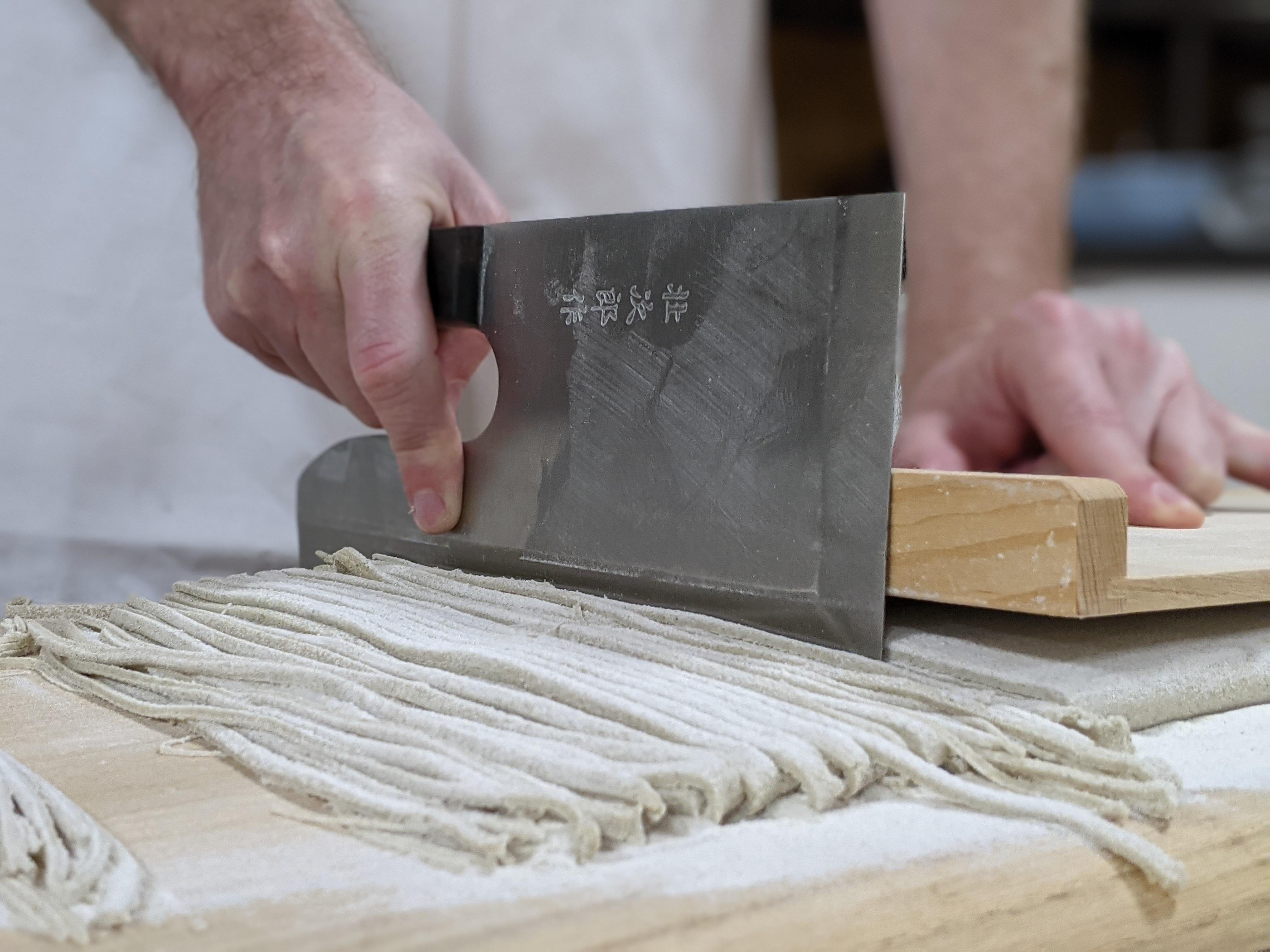
Explore Japan's oldest original castle and craft your own traditional buckwheat noodles with a local expert.
ReservePrices from verified partners. Availability updates in real time at checkout. Free cancellation policies apply where shown.
The landmarks, rooms, and views travelers on this tour remember — all visible on a single visit.
This six-floor, five-story structure is one of Japan's oldest surviving original keeps and features authentic samurai-era wooden architecture.
This moon-viewing tower was added during the peaceful Edo period, contrasting with the defensive architecture of the main keep.
The surrounding grounds offer a peaceful stroll and iconic views of the black keep, especially during the spring cherry blossom season.
This is the main entry gate that visitors pass through before reaching the heart of the castle grounds.
This exhibit inside the keep showcases original matchlock guns, armor, and weapons used by feudal lords during the Warring States period.
They complement each other; most visitors who do both call Himeji the more expansive site, while finding the matsumoto castle tour & samurai experience more intimate and immersive.
| Feature | Top pick Matsumoto Castle | Himeji Castle |
|---|---|---|
Castle Color/Nickname |
Black Crow Castle | White Heron Castle |
Originality |
Original wooden keep | Original wooden keep |
Ease of Access |
140 steps to reach | Extensive incline and steps |
Crowd Levels |
Moderate | High peak season |
Key Features |
Steep interior stairs | Complex defensive labyrinth |
| See tickets → |
Verdict: Those seeking the matsumoto castle tour & samurai experience tickets will appreciate the authentic wooden architecture, whereas Himeji provides a larger-scale look at feudal fortifications.
Choose your ticket, select your date, and reserve in under two minutes. Secure checkout handled by our verified partner.
Instant confirmation by email, with a mobile voucher you can save offline. No printing, no queuing at a collection desk.
Arrive at the entrance, show your voucher on your phone, and walk in. Most tickets include priority or skip-the-line access.
Best time to go, insider tips, nearby landmarks, and the cancellation fine print — flip through to skim what matters to you.
Flexible, no hidden fees.
Electronic tickets are non-refundable after purchase. Ensure your visit date is confirmed before finalizing your matsumoto castle tour & samurai experience booking.
Standing against the Northern Alps of Nagano prefecture, the structure known as the Crow Castle retains its original wooden keep from the Sengoku period. This jet-black fortress features an intricate system of overlapping roofs and stark white walls. Visitors seeking a Matsumoto Castle tour & samurai experience discover a site that has survived hundreds of years without modern reconstruction. The complex relies entirely on its historic timber framework, avoiding the concrete facsimiles found in other Japanese cities. Inside the five-tiered exterior, the layout reveals six distinct interior floors designed strictly for defense. Steep, narrow staircases require a measured ascent. The 140 wooden steps lead visitors past hidden weapon racks, known as teppo-gura, and narrow defensive arrow slits. A matsumoto castle tour & samurai experience tour typically begins by navigating these dark corridors. The architectural choices reflect an era where martial readiness superseded aesthetic comfort. Heavy wooden pillars support a structure built to withstand siege tactics, earthquakes, and long alpine winters alike. Contrasting with the defensive lower levels, the moon-viewing room—added during a time of relative peace—features elegant red lacquered railings and open corridors. This later extension illustrates the transition from constant warfare to cultural refinement under the ruling daimyō. Understanding this architectural duality is central to any matsumoto castle tour & samurai experience tickets holder exploring the grounds. The adjacent Honmaru garden provides a wide, flat perimeter originally designed to keep enemies at bay, now serving as a meticulously maintained landscape framing the dramatic black wainscoting of the primary keep. Integrating a physical martial arts lesson provides immediate context to the stark architecture. Local instructors teaching the fundamentals of swordsmanship and archery emphasize the discipline required to maneuver within such confined spaces. The connection between the weight of a katana and the narrow passages of the fortress becomes tangible. Holding a traditional weapon under the guidance of a skilled practitioner bridges the gap between passive observation and active engagement. Whether practicing archery techniques or examining the craftsmanship of Edo-period armor on display, the physical interaction anchors the visit. Securing a Matsumoto Castle tour & samurai experience ensures an encounter that examines both the physical engineering of the Nagano fortress and the rigorous discipline of the warriors who guarded its walls.
"The architectural choices reflect an era where martial readiness superseded aesthetic comfort."
While the park and garden are accessible, the interior of the Matsumoto Castle keep is not accessible due to steep, narrow stairs.
Yes, photography is allowed in the gardens of Matsumoto Castle, though specific restrictions may apply inside the wooden keep.
The access route involves 140 steps to keep in mind, and the interior stairs are notoriously steep, reflecting the castle's history.
Please wear comfortable shoes and socks, as you will be required to remove your footwear to protect the floors of Matsumoto Castle.