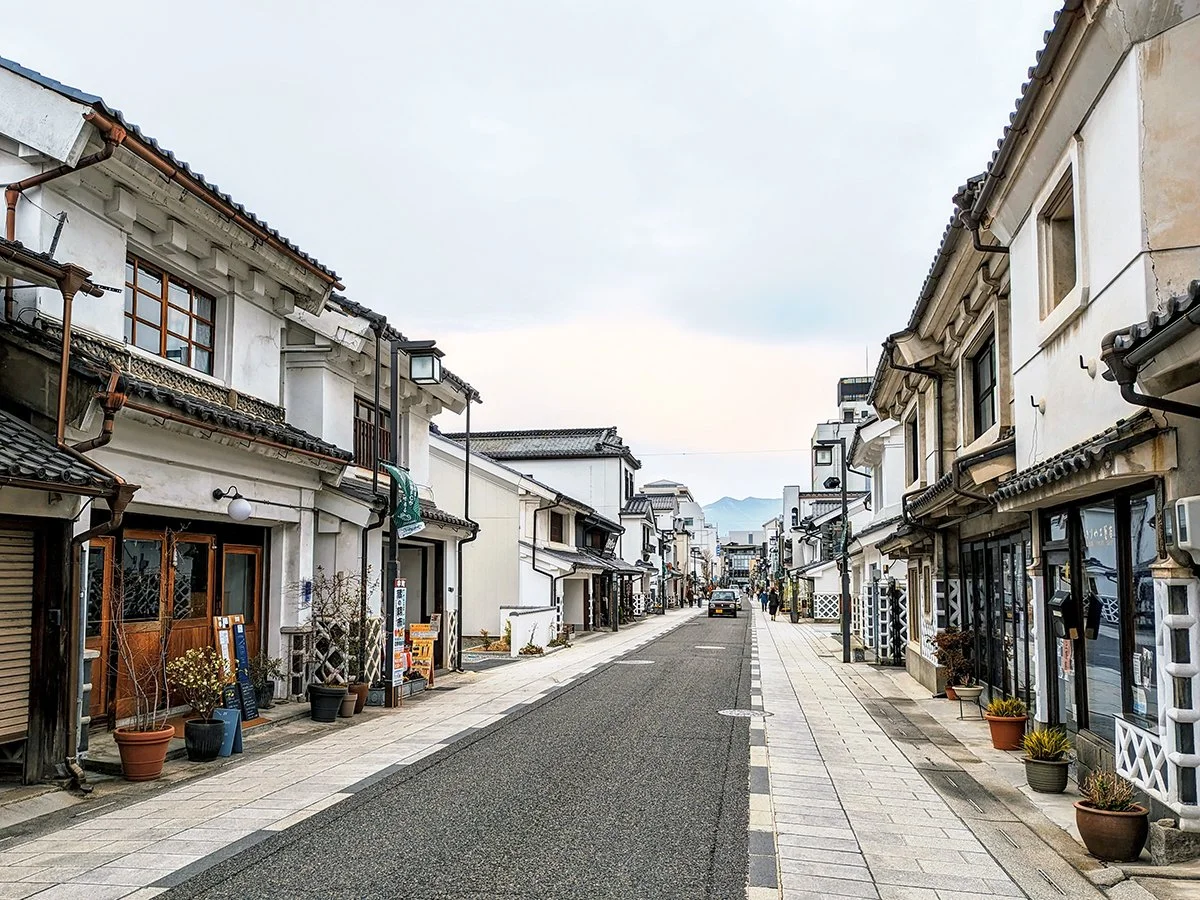
Nakamachi Street
10 min walk
This district features well-preserved kura (storehouses) with distinct white plaster walls that contrast with the castle architecture.

Travelers planning a visit to one of the nation's premier historic fortresses often ask exactly where is Matsumoto Japan situated. This guide explains the regional context of the city, detailing its position within Nagano Prefecture and the surrounding mountainous landscape.
Quick answer
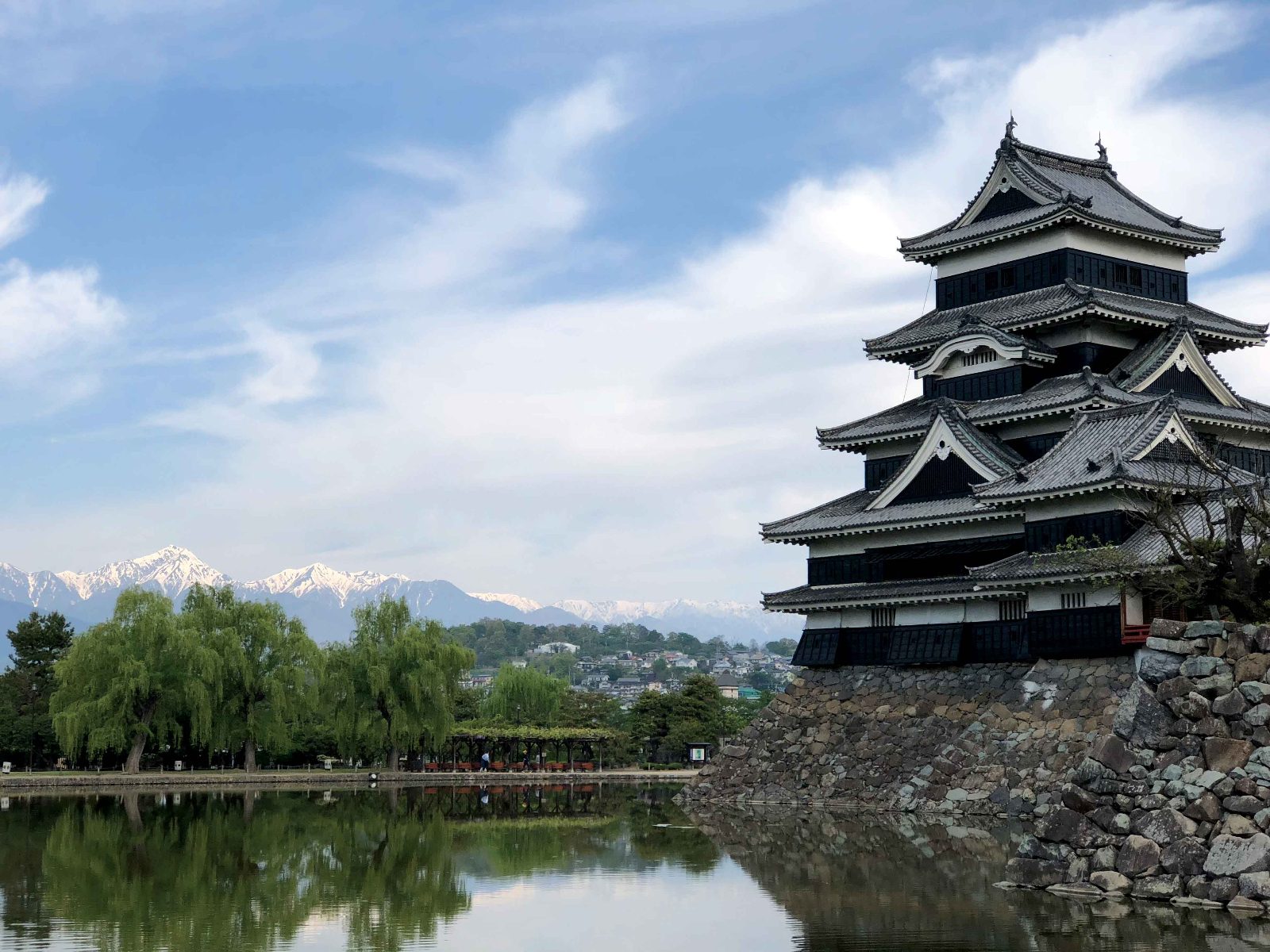
The city of Matsumoto is located in Nagano Prefecture, situated in the central Chubu region of Honshu, Japan. Specifically, its renowned landmark, Matsumoto Castle, stands at 4-1 Marunouchi. Surrounded by the towering peaks of the Japanese Alps, the area serves as a major cultural and transit hub in central Japan.
Understanding exactly where is Matsumoto Japan provides crucial context for anyone planning an itinerary through the mountainous interior of the country. Situated in the heart of Honshu, the nation's main island, this historic municipality anchors the Chubu region. It lies within a high-elevation basin entirely enveloped by the Hida Mountains, frequently referred to as the Northern Japanese Alps. Because of this strategic geographical placement, the area developed from a fortified samurai settlement into a thriving modern transit node. The landscape is defined by the flow of the Azusa River and the imposing backdrop of snow-capped peaks, which heavily influenced both the city's historical defense strategies and its contemporary agricultural development. At the center of this alpine basin sits the city's defining architectural achievement: the 16th-century Matsumoto Castle, locally known as Karasu-jo or the Crow Castle due to its black wooden exterior. Exploring this Matsumoto City location reveals how the fortress was constructed on a flat plain rather than a hilltop, relying on an extensive system of moats fed by the region's abundant mountain runoff. This flatland structure, known as a hirajiro, required the surrounding castle town to be laid out in concentric rings. Today, the modern street grid still follows these Edo-period defensive lines, with merchant districts and former samurai quarters radiating outward from the central keep. Visitors navigating the historic center will notice the preservation of earthen walls and traditional storehouses, called kura, that speak to the area's merchant wealth. Beyond the central fortress, the Nagano Prefecture destination serves as a launching point for further exploration of central Honshu. Its high-altitude position means the climate differs significantly from the coastal metropolises, offering cooler summers and heavy winter snowfall. This environment historically isolated the domain during severe winters while allowing distinct local traditions to flourish. For those utilizing a where is matsumoto japan guide to plot their domestic travel, the city's placement essentially bridges the metropolitan hubs of Tokyo and Nagoya with the remote alpine valleys to the north and west. Recognizing this geographical reality helps visitors comprehend why the fortress remains so well preserved, having escaped much of the large-scale industrialization that transformed coastal plains, and why the surrounding valley continues to function as a vital agricultural heartland.
“The modern street grid still follows these Edo-period defensive lines, with merchant districts and former samurai quarters radiating outward from the central keep.”
Matsumoto is situated in the Nagano Prefecture, centrally located in the Japanese Alps. The most efficient approach for international travelers is via the JR Azusa Limited Express train departing from Shinjuku Station in Tokyo.
JR Azusa Limited Express from Shinjuku Station to Matsumoto Station
Alpico Highway Bus from Shinjuku Expressway Bus Terminal to Matsumoto Bus Terminal
From Matsumoto Station to Matsumoto Castle
For the most efficient entry, plan your arrival between 08:30–10:30 to avoid mid-day crowds and manage potential visitor capacity limits. Once at the grounds, prepare for a 140-step ascent during your tour.
Matsumoto Castle maintains consistent operating hours throughout the week to facilitate visitor access. The site is open daily to accommodate varying travel schedules.
To manage capacity limits and ensure a comfortable experience, visitors should target the best arrival window of 08:30–10:30. Aligning your visit with seasonal transitions provides more temperate conditions for exploring the castle grounds.
Mild 10°C to 18°C. Cherry blossoms draw significant regional interest during this period.
Warm 20°C to 30°C. Humidity levels increase, making early arrival essential for comfort.
Cool 8°C to 17°C. Stable weather patterns provide clear visibility of the Japanese Alps.
Cold -2°C to 6°C. Snow is frequent, resulting in quieter grounds and shorter wait times.
Verdict: For the most efficient visit, arrive between 08:30 and 10:30 during the months of April or October.
Matsumoto offers several historically significant locations within walking distance of the castle, allowing visitors to experience the traditional character of the city. These sites complement the castle visit by providing context on the local merchant culture and craft traditions.
10 min walk
This district features well-preserved kura (storehouses) with distinct white plaster walls that contrast with the castle architecture.

15 min walk
This museum houses an extensive collection of works by Yayoi Kusama, a Matsumoto native, offering a modern perspective on the city's culture.
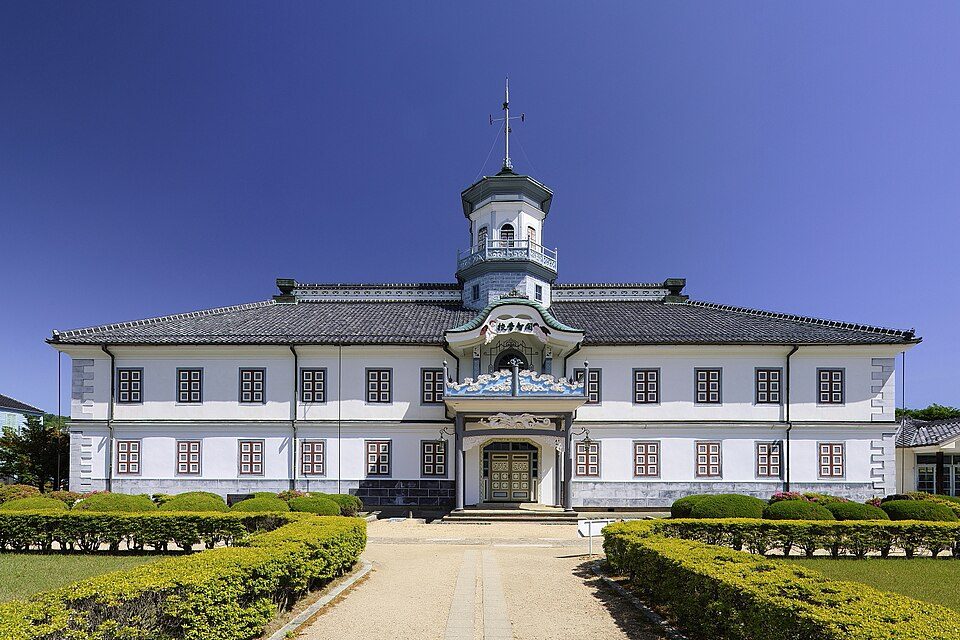
12 min walk
As one of the oldest Western-style elementary schools in Japan, this building illustrates the architectural transitions of the Meiji era.
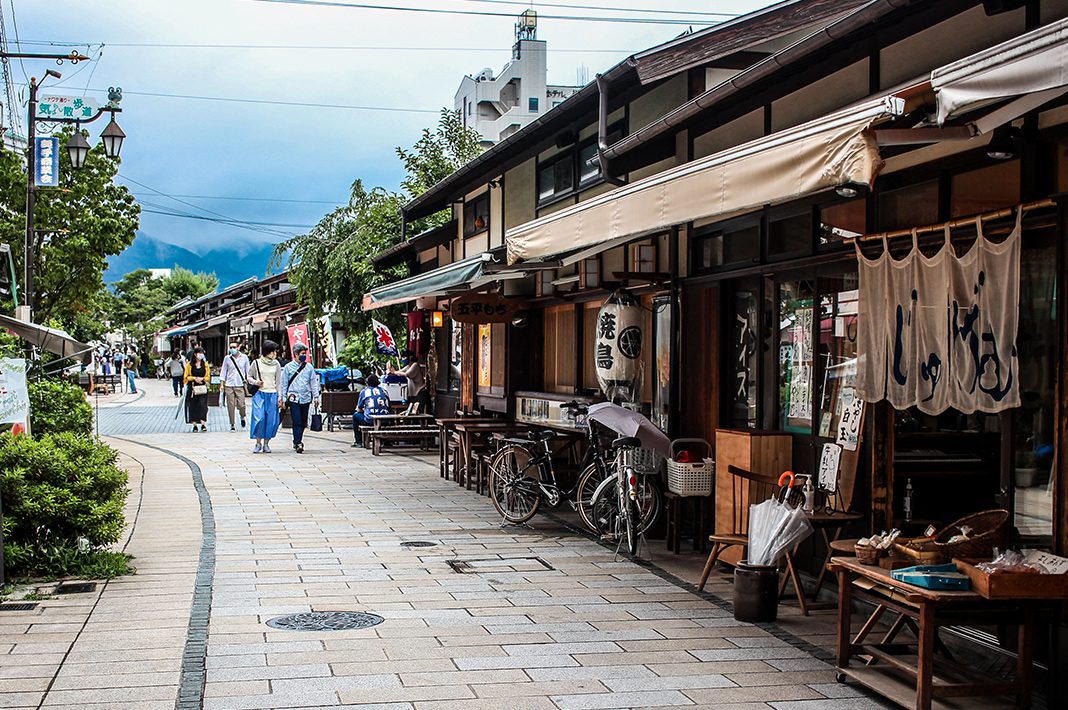
8 min walk
Located along the Metoba River, this traditional-style merchant street focuses on artisan shops and local snacks, creating a distinct atmosphere for a post-castle stroll.
Everything you need to know about where is matsumoto japan
Matsumoto is situated in Nagano Prefecture, nestled within the Japanese Alps in central Honshu. The city is famous for its historic castle, which stands as a central point for those researching where is Matsumoto Japan.
The castle is located at 4-1 Marunouchi, Matsumoto City, Nagano 390-0873, Japan. You can reach the site by train or bus, with local transit providing convenient access to the historical district where is Matsumoto Japan travel often begins.
Exploring the area involves understanding the regional geography and the proximity of the Matsumoto City castle grounds. Visitors often combine their interest in where is Matsumoto Japan with a visit to the nearby alpine trails and hot springs.
Visitors must purchase a paper ticket at the gate for entry. Please note that the site has a physical step count of 140 within the access route, which is an important consideration for your visit to where is Matsumoto Japan.
The best arrival window is 08:30–10:30 to avoid mid-day crowds and ensure smooth entry. Visiting during these hours helps you make the most of your time in the city where is Matsumoto Japan history is preserved.
The entrance fee is 1,300 JPY for adults. This fee covers access to the castle grounds and the historic wooden keep.
While the castle is a major destination, the historic architecture includes steep stairs and narrow passages that may be challenging for some visitors. Planning your visit to where is Matsumoto Japan ensures you are prepared for the physical nature of the site.
When planning your trip, consider that the castle is open daily from 08:30–17:00. Verifying the current location details ensures your visit to where is Matsumoto Japan goes smoothly.