
English| EUR
Suggested for you
More currencies
Choose a language
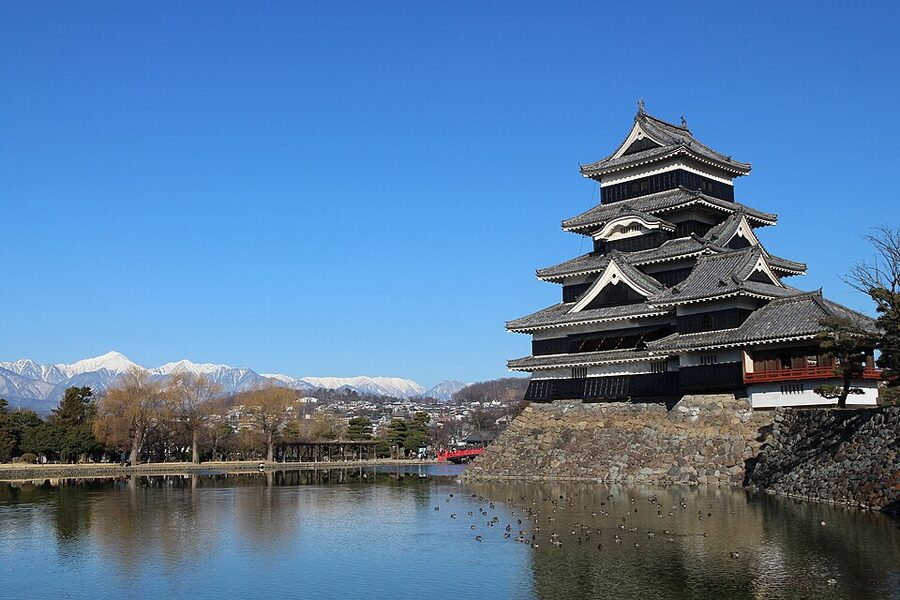
Navigating the Shinjuku to Matsumoto Castle route requires understanding the available rail and road connections. This how to get to Matsumoto from Tokyo guide ensures you maximize your time exploring one of Japan's oldest surviving wooden keeps. Review the primary Japan Alps transport options, departure points, and local connections required to reach 4-1 Marunouchi.
Quick answer
The most efficient transit method is the JR Limited Express Azusa from Shinjuku Station, taking roughly two and a half hours. Alternative highway buses require three hours and twenty minutes. Both services arrive at Matsumoto Station, located a 15-minute walk from the castle grounds. Plan arrivals between 08:30 and 16:30 to ensure sufficient time to complete the 140-step climb to the top of the keep.
The Chuo Main Line connects the dense urban grid of Japan's capital to the mountainous terrain of Nagano Prefecture, tracing a historically significant trade route. For travelers mapping out how to get to Matsumoto from Tokyo, the railway network provides the most reliable connection. The flagship transport service is the Limited Express Azusa, operated by the East Japan Railway Company. Departing directly from Shinjuku Station, this train cuts through the Kofu Basin before ascending into the Japanese Alps. Passengers traveling this Tokyo to Matsumoto transport route experience a steady geographic transition from concrete cityscapes to rural valleys. Highway bus routes offer a practical alternative for those prioritizing their travel budget over transit speed. Coaches depart regularly from the Shinjuku Expressway Bus Terminal and track the Chuo Expressway directly into Nagano Prefecture. This Tokyo to Nagano Prefecture travel routing extends the travel time by nearly an hour compared to the railway, but reduces the base transit fare, leaving more budget for the 1,300 JPY castle admission. Visitors utilizing a nationwide Japan Rail Pass will find the Limited Express Azusa fully covered, making the train the default choice for active pass holders. Seat reservations are highly recommended on the Azusa, as the service uses a specialized seating system where passengers without specific assignments must locate open seats indicated by overhead lamps. All major transport arteries terminate at Matsumoto Station, positioned just over a kilometer southwest of the historic fortress grounds. The physical transition from the railway platform to the castle moat requires minimal local navigation. Visitors can proceed on foot along the main commercial avenue, crossing the Metoba River, which takes approximately fifteen minutes at a standard walking pace. For those wishing to conserve their physical energy for the 140 wooden steps required to climb the keep's interior, the local Town Sneaker loop bus provides a direct connection from the station's Alps Exit to the municipal park entrance. The route requires minimal transfers if departing from western Tokyo wards, but those originating in eastern districts must factor in the preliminary subway ride to Shinjuku. Understanding the regional rail geography simplifies the logistics process. Consulting comprehensive transport schedules allows visitors to balance travel time against their itinerary, ensuring they reach 4-1 Marunouchi during the recommended 08:30–16:30 arrival window. Ultimately, understanding exactly how to get to Matsumoto from Tokyo prevents unexpected logistical delays and guarantees sufficient time exploring the surviving samurai stronghold before the gates close at 17:00.
“The route requires minimal transfers if departing from western Tokyo wards, but those originating in eastern districts must factor in the preliminary subway ride to Shinjuku.”
Matsumoto Castle is located in Nagano Prefecture and is most efficiently accessed from Tokyo via direct rail or highway bus services. Visitors typically depart from major transit hubs in Shinjuku.
JR Azusa Limited Express from Shinjuku Station to Matsumoto Station
Alpico Highway Bus from Shinjuku Expressway Bus Terminal to Matsumoto Bus Terminal
Upon arriving at Matsumoto Station, the castle is a 20-minute walk or a short local bus ride away. Please follow the Best arrival window of 08:30–16:30 to ensure sufficient time to climb the keep before closing.
To experience Matsumoto Castle, the best arrival window is 08:30–16:30. Because the journey from Tokyo takes several hours, an early morning departure is necessary to ensure sufficient time to climb the keep before the 17:00 closing time.
—
Arriving at 08:30 avoids peak afternoon crowds and provides the best pacing for your visit.
Mild, 10°C to 18°C
Cherry blossoms create heavy traffic throughout the castle grounds.
Cool to warm, 15°C to 24°C
Pre-summer weather offers comfortable conditions for walking the castle grounds and climbing the 140 steps.
Mild, 12°C to 20°C
Autumn foliage attracts many visitors, requiring an early arrival to secure entry.
Verdict: The best slot is a weekday arrival at 08:30 during the shoulder months of April or October.
Matsumoto Castle is open daily to visitors throughout the week. Please consult the schedule below to plan your arrival time accordingly.
Everything you need to know about how to get to matsumoto from tokyo
The most efficient way to travel is via the JR Azusa Limited Express train from Shinjuku Station directly to Matsumoto Station. This rail route offers frequent departures and scenic views of the Japanese Alps.
Highway buses also provide a cost-effective alternative for your trip to this Nagano destination. These buses typically depart from the Shinjuku Expressway Bus Terminal and arrive at the Matsumoto Bus Terminal.
The Limited Express train journey usually takes approximately two and a half hours. Bus travel times can vary depending on traffic conditions along the expressway.
The JR Pass covers the cost of the Limited Express train, making it a convenient choice for those exploring various Japanese cities. Please verify your pass validity for the specific train services before departure.
We recommend arriving between 08:30 and 16:30 to avoid the busiest afternoon periods. This schedule ensures you have ample time to navigate the 140 steps within the historic keep before the site closes.
Traveling by train is generally considered the most comfortable method for families due to spacious seating and on-board facilities. Both train and bus options provide straightforward access to the central area where the castle is situated.
The admission fee for foreign adult visitors is 1,300 JPY, payable as an on-site paper ticket. This fee supports the preservation of this historic architectural site.